

.png)
.png)


About Us
Aarjan Labs is a technology-driven company at the forefront of the IT revolution. From consulting on IT strategies to building intelligent systems, we provide businesses with the tools they need to thrive in a digital world. Our solutions are designed with a focus on innovation, efficiency, and results, ensuring that our clients stay ahead in a competitive marketplace.
ConsultationContact Info
- Business Center 1, M Floor, The Meydan Hotel, Nad Al Sheba, Dubai, UAE.
- Call: +971 50 449 7780
- bijan@aarjanlabs.com
- Monday - Friday, 9 AM to 6 PM (UAE Time)
Service Detail
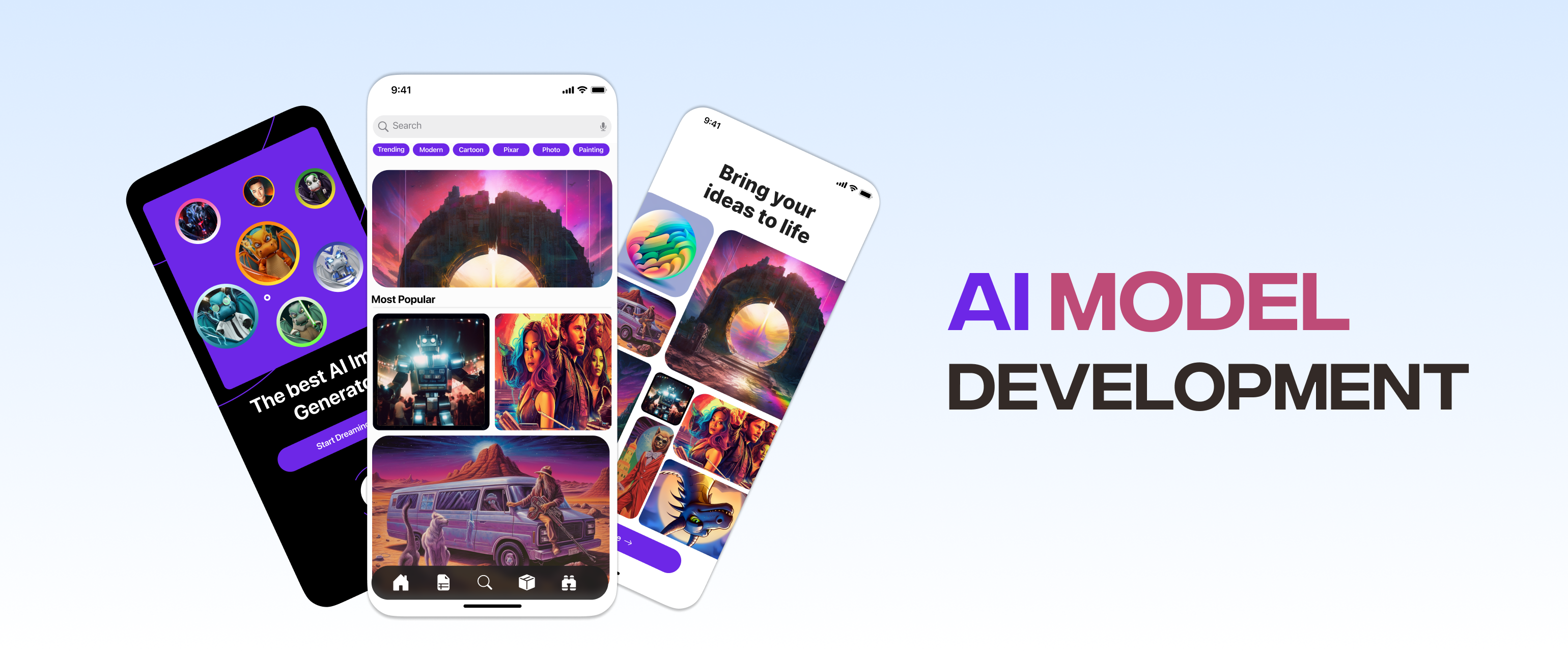
AI Tool Development
AI Tool Development
AI tool development involves creating software systems that leverage artificial intelligence (AI) technologies to automate tasks, make decisions, or provide insights. The process typically follows the lifecycle of software development but requires special focus on data handling, model training, and AI-specific algorithms.
Key Steps:
Define the Problem and Scope:
Identify the business problem or task that the AI tool will address.
Define the scope and limitations of the tool, such as the types of tasks it can perform, the industries it will cater to, and the level of autonomy or assistance it will provide.
Data Collection and Preparation:
AI tools rely heavily on data, so gathering relevant datasets is crucial.
Clean, preprocess, and structure data for training machine learning (ML) models. This may include labeling, formatting, and normalizing the data.
If data is insufficient, synthetic data generation may be considered.
Model Selection:
Select or build AI models suited for the task. This could involve choosing between supervised learning, unsupervised learning, reinforcement learning, or a combination of methods.
Pre-built models, such as those from libraries like TensorFlow, PyTorch, or scikit-learn, can be used, or custom models can be developed from scratch.
Model Training:
Train the chosen model using the prepared dataset.
Use machine learning algorithms such as linear regression, decision trees, deep learning (neural networks), or natural language processing (NLP) techniques for tasks such as predictions, classifications, or text generation.
Model Evaluation and Optimization:
Evaluate the model’s performance using test datasets to ensure accuracy, precision, recall, and other relevant metrics.
Optimize the model by tuning hyperparameters, applying cross-validation, and implementing techniques like regularization to avoid overfitting or underfitting.
Integration into Tools:
Integrate the trained AI model into a functional tool or application. The tool could be web-based, desktop-based, or part of a larger software system.
Create APIs or services that allow the AI model to communicate with other parts of the application, such as databases, user interfaces, or third-party services.
Deployment and Scaling:
Deploy the AI tool in a production environment, ensuring it can handle real-world data and scale to meet demand.
Use cloud platforms such as AWS, Google Cloud, or Azure for scalable model hosting and deployment.
Monitoring and Maintenance:
Once the AI tool is live, monitor its performance and retrain the model as necessary based on new data.
Regularly update the tool to improve its accuracy and address any emerging issues.
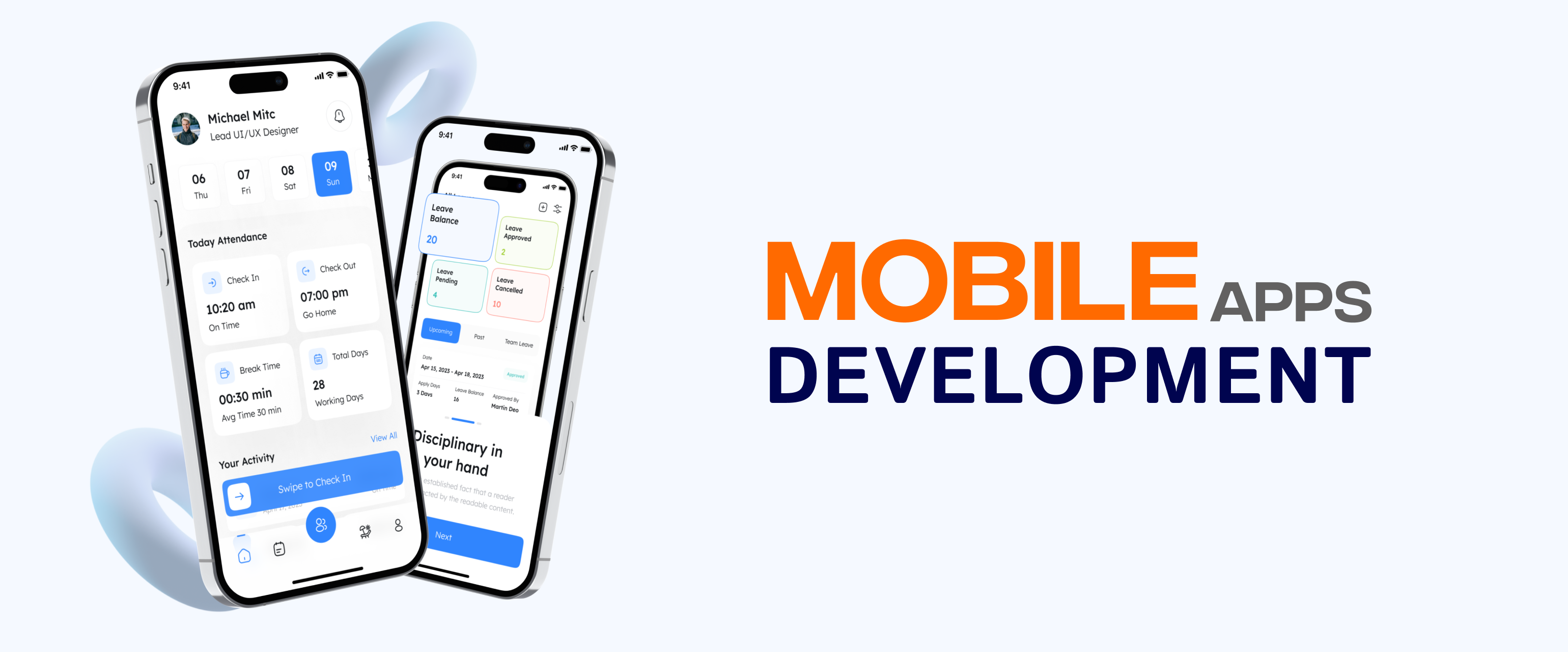
App Development
App development refers to the process of creating software applications for mobile devices, desktops, or web platforms. This process follows standard software development practices but involves additional focus on user interface (UI) design, user experience (UX), and platform compatibility (iOS, Android, or cross-platform).
Key Steps:
Requirement Analysis: Gather and analyze requirements from stakeholders to understand the app's functionality, target audience, and business objectives.
Define the core features, technical requirements, and non-functional requirements such as security, performance, and scalability.
Design Phase:
UI/UX Design: Create wireframes, mockups, and prototypes to visualize the app’s interface and workflow. Tools like Figma, Adobe XD, or Sketch are commonly used for design.
Focus on usability, accessibility, and aesthetics to ensure the app provides a seamless and engaging user experience.
Design the navigation structure and create intuitive interfaces that allow users to interact with the app easily.
Choose Development Platform and Tech Stack:
Decide whether to develop a native app (separate codebases for Android and iOS) or a cross-platform app (using frameworks like React Native, Flutter, or Xamarin).
Choose a backend stack (Node.js, .NET, Django, etc.) for server-side logic, APIs, and database management.
Front-End Development:
Build the front-end of the app using appropriate technologies. For web apps, this could include HTML, CSS, and JavaScript frameworks like React, Angular, or Vue.js. For mobile apps, use Swift for iOS and Kotlin or Java for Android.
Implement responsive design to ensure the app works on various devices and screen sizes.
Back-End Development:
Develop the backend, including the server, database, and APIs. The backend manages business logic, data storage, user authentication, and communication with external services.
Use cloud services like AWS or Firebase to manage app hosting, databases, and other backend infrastructure.
Database Design and Management:
Choose a suitable database system (SQL, NoSQL, or hybrid) based on the app's requirements.
Design database schema and relationships to ensure efficient data storage, retrieval, and management.
Implement data security measures such as encryption, role-based access control, and regular backups.
Integration of Features:
Integrate key features like user authentication (OAuth, JWT), payment gateways (Stripe, PayPal), push notifications, and third-party APIs.
Ensure smooth interaction between front-end and back-end systems using RESTful APIs or GraphQL for more dynamic data fetching.
Testing and Quality Assurance:
Conduct thorough testing of the app to identify and fix bugs, usability issues, and performance bottlenecks.
Use various testing methods, including unit testing, integration testing, and user acceptance testing (UAT).
For mobile apps, test across multiple devices and operating system versions to ensure compatibility and responsiveness.
Deployment:
For mobile apps, publish the app on platforms like the Apple App Store and Google Play Store, adhering to platform-specific guidelines.
For web apps, deploy on a web server or cloud service, ensuring scalability and security.
Implement CI/CD (Continuous Integration/Continuous Deployment) pipelines for automatic deployment and updates.
Post-Launch Support and Maintenance:
After launch, continue to monitor the app’s performance and user feedback.
Provide regular updates to fix bugs, add new features, and improve the app based on real-world usage.
Implement analytics tools (Google Analytics, Firebase, etc.) to track user engagement, app usage, and other metrics.
Security and Privacy:
Ensure that the app complies with relevant security and privacy regulations (e.g., GDPR, CCPA).
Implement security features like data encryption, secure authentication, and regular security audits.
Protect sensitive user data from breaches and attacks by implementing best practices such as SSL/TLS encryption, strong password policies, and regular updates.
Scaling and Optimization:
As the app grows in users and features, continuously optimize it for speed, performance, and scalability.
For mobile apps, monitor memory usage, battery consumption, and responsiveness.
For web apps, ensure server scalability and implement caching, load balancing, and CDN (Content Delivery Network) to optimize user experience globally.